Unsalted butter 100g
Salt 1/4 tsp
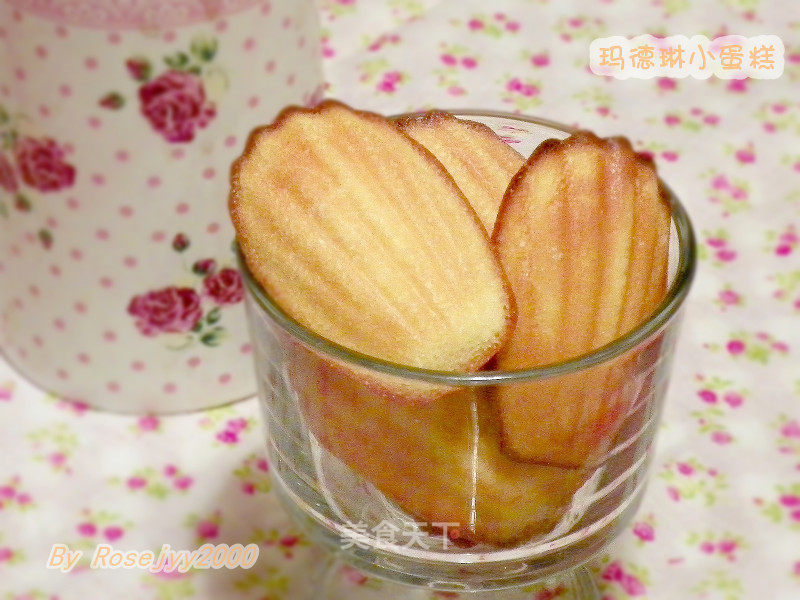
3. Add sugar, salt, and vanilla extract. Beat on high speed with an electric mixer until light and fluffy. Then add lemon zest and rum, and beat for a short while longer. The finished product made with creamed butter tends to have a more pronounced aroma and a finer surface texture.
4. Add the egg mixture and beat on medium-low speed with the mixer until well combined. 5. Before sifting, mix the flour with baking powder. Sift the flour into the mixture in two batches. 6. When mixing the batter with a rubber spatula, do not stir in a single direction. Instead, alternate between stirring in a crisscross pattern and folding from the bottom to the top. 7. Brush the surface of the pan with a layer of flavorless vegetable oil so that the finished cake can be easily removed from the mold after baking. 8. Pour the batter into the mold, filling it to about 80% full. Then place it into a preheated oven and bake at 180°C (approximately 350°F) for both top and bottom heat, for about 8–10 minutes, or until the surface turns golden brown.Why creaming matters
Beating the soft butter with the sugar, salt, and vanilla is not just mixing — it is the step that whips air into the cake. Every minute of high-speed beating drills thousands of tiny bubbles into the butter, and those bubbles are what the cake climbs on in the oven. Under-creamed butter gives a dense, squat cake with a greasy crumb, so keep going until the mixture looks noticeably paler, lighter, and slightly grown in volume. Keep the butter soft but still dimpled when pressed — around 20°C (68°F). If it has gone shiny and melty, it can no longer hold air, and the texture will suffer no matter how long you beat.
Common mistakes to avoid
- Curdled batter. Cold egg liquid poured into creamed butter all at once makes the mixture split into greasy lumps. Add it in a thin stream, or in three additions, beating on medium-low until each is absorbed.
- Stirring in circles only. Straight circular stirring works the gluten and tightens the crumb. Follow the recipe’s crisscross-and-fold motion with the spatula, and stop as soon as the flour disappears.
- Skipping patches of the pan. The thin layer of flavorless oil brushed inside the mold is what lets the cake release in one piece; one missed corner means a torn crust.
- Judging by the clock alone. The 8 to 10 minute range at 180°C (350°F) assumes a mold filled to about 80% and a shallow bake. A deeper pan needs a few minutes more, so trust the color — pull the cake when the surface is evenly golden brown and a skewer comes out clean.
Storing and reheating
Butter cake holds its texture best at cool room temperature under a dome or in a sealed tin, where it stays good for 2 to 3 days. In warm weather, refrigerate it tightly wrapped instead, and warm slices for 10 to 15 seconds in the microwave, or 5 minutes in an oven at 150°C (300°F), to bring back the fresh-baked softness. It freezes well too: wrap individual slices and thaw them at room temperature for about an hour before serving.