High-Gluten Flour: 520g
Iced Milk: 260g
Ingredients 1: 520g high-gluten flour, 260g iced milk, 6g Earl Grey tea powder, 110g iced eggs (55g each), 80g sugar, 20g milk powder, 6g high-sugar-tolerant dry yeast
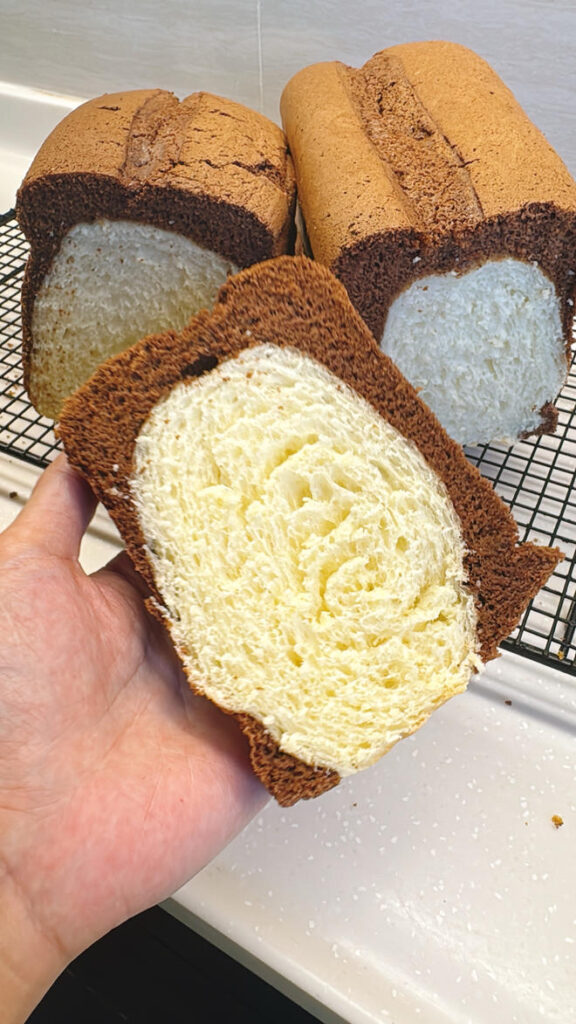
Ingredients 2: 5g salt, 60g butter Steps: 1. Place all ingredients 1 into a bread machine. Mix at speed 1 for 30 seconds, then at speeds 1-2 until a dough forms. Continue at speed 2 for 5 minutes. (In hot weather, use an ice pack to lower the dough temperature.) 2. Add all ingredients 2. Mix at speeds 2-4 until a windowpane membrane forms. 3. Roll the dough into a long shape, flip it over, and fold both sides toward the center. Roll it out again, fold, and roll it up. Place into a loaf pan. Cover with plastic wrap or a lid and let it ferment directly. (In summer, room temperature fermentation is sufficient.) Ferment until 80% full, then brush with milk.4. Preheat the oven in advance, set the top heat to 165°C and the bottom heat to 175°C, and bake for 31 minutes. (Cover with aluminum foil midway to prevent excessive browning.) 5. Upon removing from the oven, immediately tap the pan to release steam. Optionally, brush the surface with milk to enhance glossiness.
Why Everything Starts Iced
Ten-plus minutes of machine kneading generates real friction heat, and dough that finishes above about 78°F (26°C) ferments too fast to build flavor and often turns slack and sticky. Starting with iced milk and cold eggs buys back that margin, keeping the mixed dough down near 75°F (24°C) where the yeast works at a steady pace. In hot weather, drape a reusable ice pack around the machine bowl or chill the bowl itself before you begin.
What a Proper Windowpane Looks Like
After the salt and butter go in, keep the machine on its higher gears until a small piece of dough stretches, without tearing, into a film thin enough to read through. The ground tea slightly interrupts the gluten network, so a dough that already looks smooth can still be short of the film stage. When in doubt, knead two more minutes and test again; at home an under-kneaded loaf is far more common than an over-kneaded one.
If the Loaf Comes Out Dense
- Pulled it before 80 percent. A loaf baked at 60 or 70 percent of the pan never climbs into a full slice. Wait until the crest sits just below the rim before the oven goes on.
- Dough overheated early. Warm dough races through its yeast during the rise, then slumps in the oven.
- Flour measured by volume. A scooped cup can run heavy by 15 to 20 grams, which is most of the difference between a tender crumb and a tight one. Weigh when you can.
Slicing and Storage
Give the loaf a full two hours to cool before cutting; slicing warm tears the soft crumb and mutes the tea flavor. Saw with a serrated knife in long strokes and almost no downward pressure. Kept in a sealed bag at room temperature it stays soft for two to three days, and pre-sliced rounds freeze well for up to a month.