High-gluten flour: 500 grams
Fine granulated sugar: 70 grams
40g
Milk 320g Whole Egg Liquid 70g Scald Dough 100g Butter for Wrapping Butter5g per piece ✔ Place all ingredients except butter into the mixing bowl. ✔ Mix on low speed until no dry flour remains, then increase to medium-high speed for kneading. ✔ Knead until a pliable, rough membrane forms. ✔ Add softened butter. ✔ Mix on low speed until the butter is evenly incorporated, then switch to medium-high speed for kneading. ✔ Knead until a pliable, transparent glove membrane forms. ✔ Shape the dough and perform the first fermentation in an environment around 28°C. ✔ Degas and divide the dough. Rest for approximately 15 minutes. ✔ Flatten the dough and wrap it around butter. ✔ Perform the second fermentation until the dough doubles in size. Score the top and pipe butter onto the surface. ✔ Preheat the oven in advance. Bake at 220°C top heat and 185°C bottom heat for 15 minutes (oven temperatures may vary; adjust according to your own oven). ✔ Remove from the oven. Enjoy the fragrant buns.
Why the Scald Dough Earns Its Place
That 100 grams of scald dough in the ingredient list is not a garnish. Flour hit with hot water holds far more moisture than flour mixed cold, and the extra water stays locked in the starch through baking. The payoff is a crumb that still bends instead of crumbling on day two, which matters in a soft milk dough like this one.
If you make the scald fresh, cool it completely before it goes anywhere near the mixer bowl. A warm scald softens the butter prematurely and shortens the knead.
Wrapping the Butter Without Leaks
Keep the 5-gram butter portions refrigerated until the moment you wrap them. Firm butter sits neatly in the center of the flattened dough; soft butter smears toward the seam and finds its way out during the second rise. Flatten each portion a touch wider than the butter square, fold the dough over on all sides, and pinch the seam firmly closed before setting the bun seam-down with about two inches (5 cm) of space around it.
A leak is not a disaster, but the puddle it leaves will fry the bottom of that bun darker than its neighbors, so an extra pinch at the seam is cheap insurance.
Oven Settings and Color Cues
The stated 428°F top and 365°F bottom heat (220°C and 185°C) gives these buns their contrast: fast color on the scored lid while the base stays pale. Fifteen minutes is enough when the oven is fully preheated. Look for a deep golden top, score lines that have split open with butter pooled in them, and a base that springs back under a fingertip. On an oven with a single dial, set 400°F (205°C), place the rack one notch above center, and start checking at the twelve-minute mark.
Reheating for the Molten Center
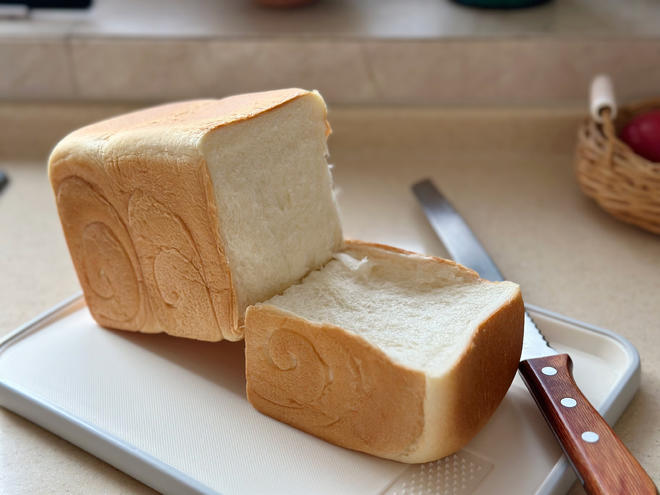
Cut open straight from the oven, the center butter runs into the crumb, and that moment is what this bun was built for. A day later, ten minutes in a 300°F (150°C) oven recrisps the lid and re-melts the center. A microwave does re-melt it in seconds but leaves the crust soft, so reach for the oven when you have the time.